Primi · Italian
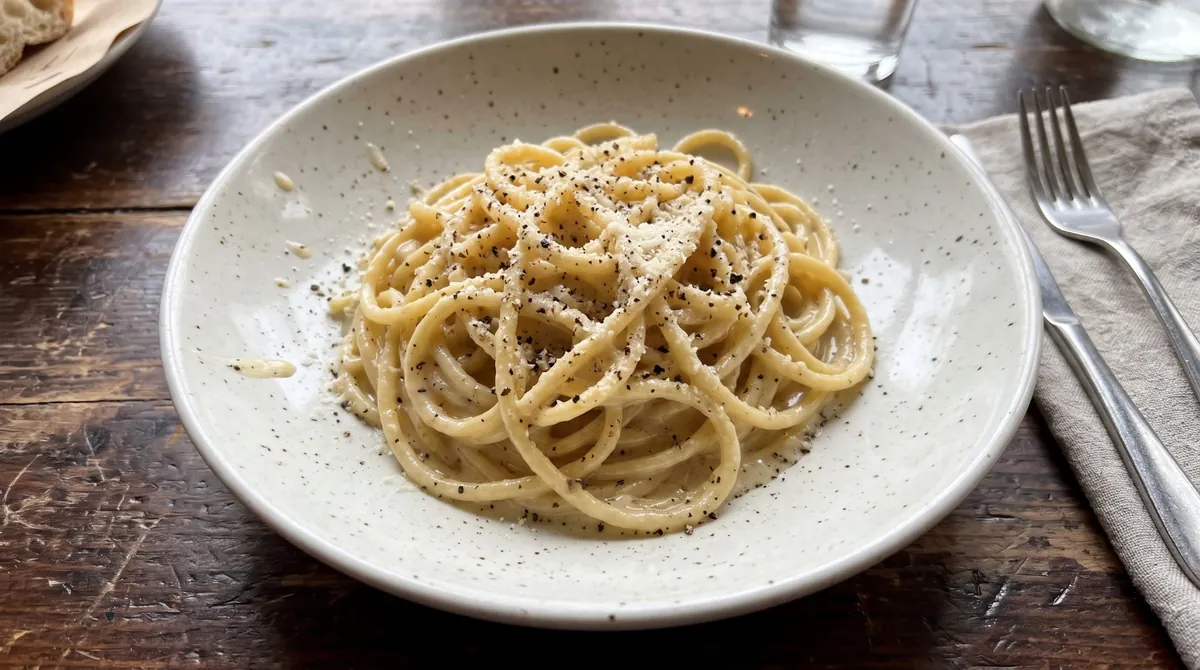
Cacio e pepe
Just pecorino, black pepper and pasta water whisked into a creamy sauce. Three ingredients, one technique.
VegetarianContains

- Time
- 15 min
- Serves
- 4
- Calories
- ≈ 430 kcal per serving
- Kitchen
- Italian
- Course
- Primi
Ingredients
Method
- Step 1
Crush the peppercorns2 tsp coarsely and toast them in a dry, wide pan for a minute, until fragrant. Once the pasta water is boiling, add a ladle of it to the pepper and let it simmer.
- Step 2
In a bowl, mix the finely grated pecorino150 g with a few spoonfuls of warm, not boiling, pasta water and mash it into a smooth, thick cream. Water that's too hot makes the cheese clump.
- Step 3
Cook the pasta320 g until quite al dente and lift it into the pepper pan with a little more water. Toss for a minute so it finishes cooking.
- Step 4
Take the pan off the heat, wait a few seconds, then add the pecorino cream and toss quickly, adding water a little at a time, until the sauce is creamy and glossy. Serve straight away.
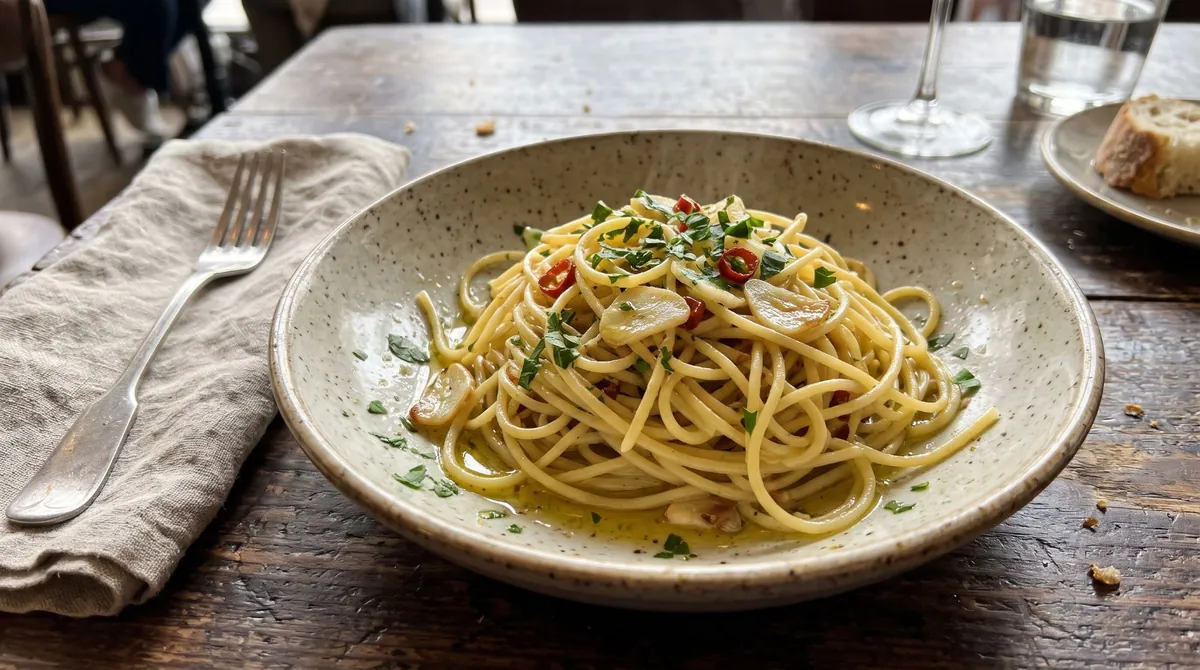
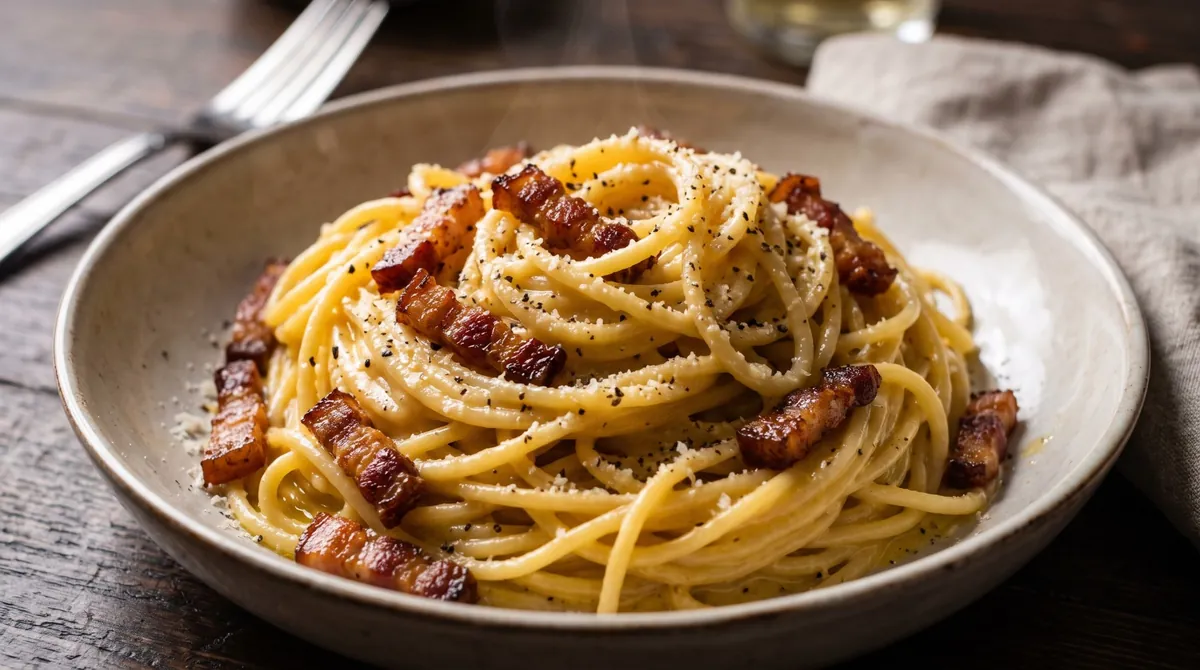
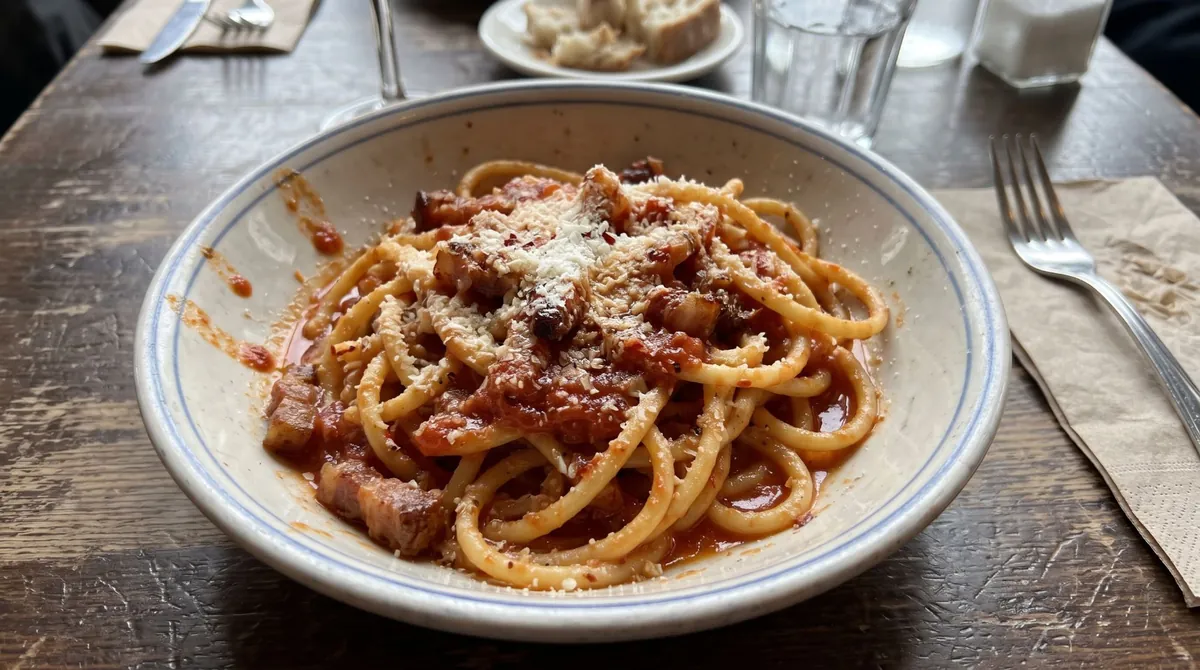
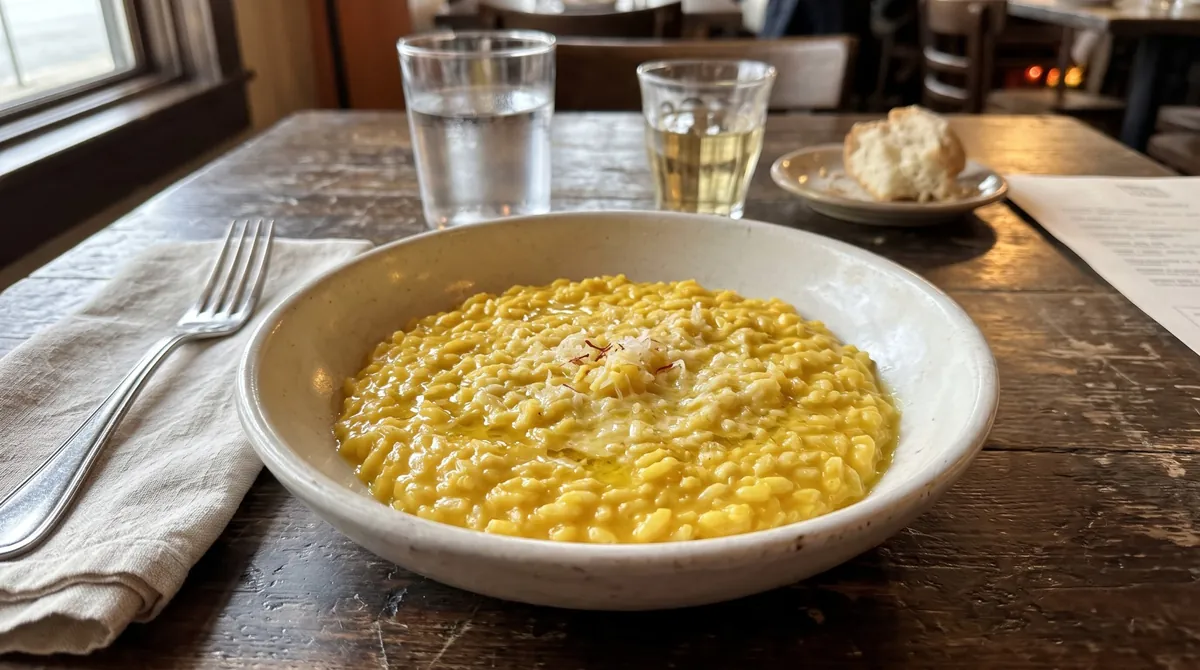
Food images are visual representations of the recipe. Actual results may vary depending on ingredients, preparation and presentation.
Good to know
Why does my cacio e pepe go clumpy?
The cheese got too hot. Mix the pecorino with warm, not boiling, pasta water into a smooth cream first, take the pan off the heat, wait a few seconds, then add the cream and toss quickly.
Can I use Parmesan instead of pecorino?
It works, but it's a different dish: milder and less salty. Pecorino romano gives cacio e pepe its sharp, tangy flavour. A mix of the two is a gentler option.
What pasta is best for cacio e pepe?
Tonnarelli is traditional, and spaghetti or spaghettoni are good alternatives. A rough, bronze-cut pasta releases more starch, which helps the sauce turn creamy.